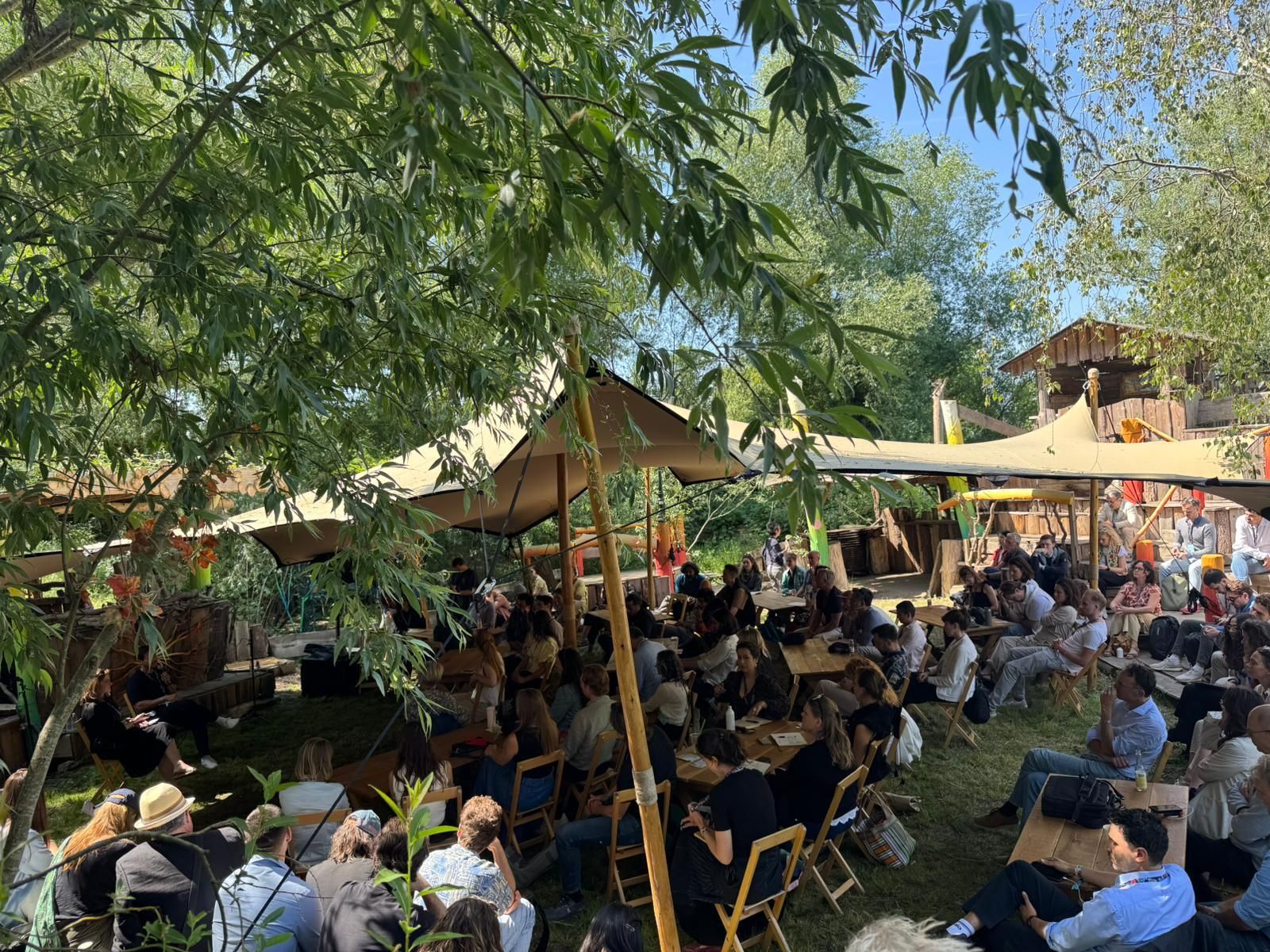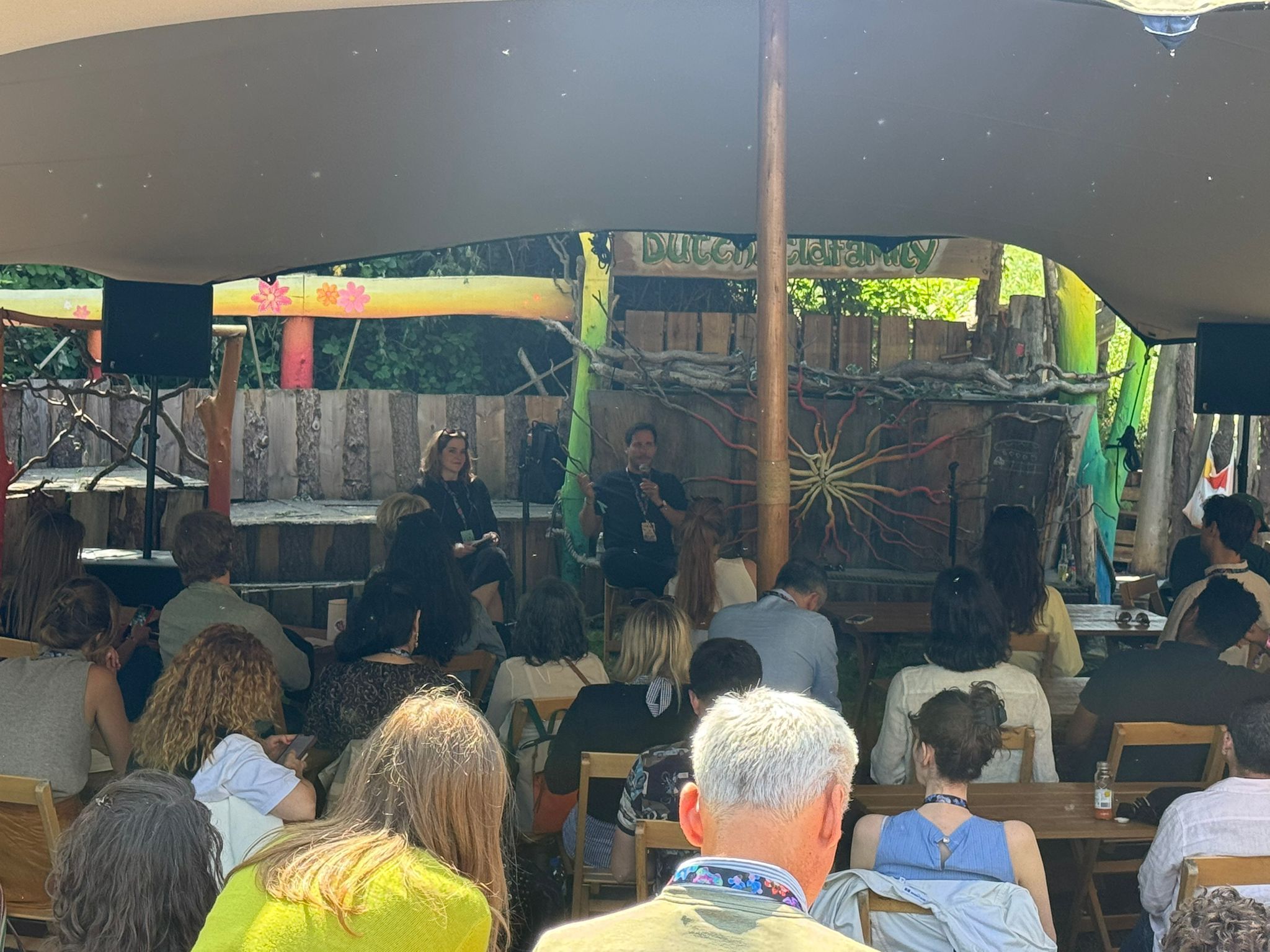
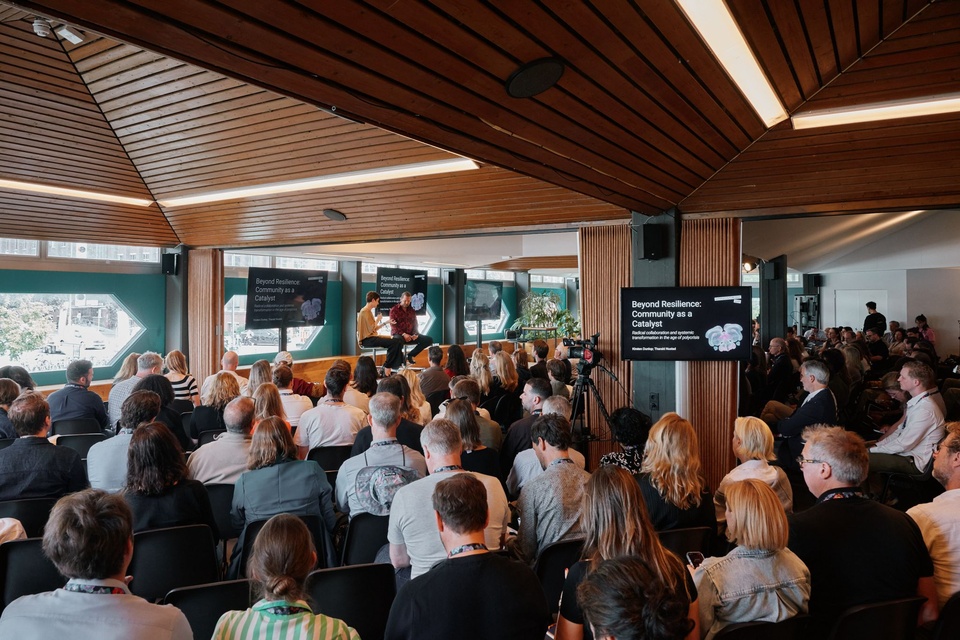
Not every space dedicated to systems change creates the conditions for it. Katapult Future Fest was an interesting reminder of that tension.
Over the past few days, many conversations converged around familiar questions:
- How do we move from extraction to regeneration?
- How do we invest in systems rather than isolated solutions?
- How do we create the conditions for transformation to emerge?
What stayed with us from the opening remarks was precisely this emphasis on conditions.
---> The challenge is not simply to develop better solutions...
... but to strengthen the relationships, institutions and forms of collaboration that allow change to take hold.
Throughout the festival, several key words kept resurfacing: Regeneration. Stewardship. Ecosystems. Bioregions. There is growing recognition that the challenges we face cannot be addressed through isolated interventions.
----> Yet "alignment on language" does not equal "alignment on implications".
For instance, moving from extraction to regeneration is not simply a narrative shift. It implies changes in ownership structures, incentive systems, governance models, in how you envisage performance and time, and in the ways organizations coordinate with one another.
Another recurring idea was weaving, not as a metaphor, but as a practice.
---> Weaving investors with entrepreneurs. Capital with communities. Institutions with territories. Different forms of knowledge and lived experience.
In a fragmented world, the challenge is often less about finding new solutions than about creating the connections through which existing possibilities can emerge, scale and endure.
For us at WEASTEM, this reinforces something central to our work: Finance alone will not drive the transitions ahead. But the structures through which capital is allocated and governed can either reinforce existing patterns or help create space for different possibilities to emerge.
Perhaps systems transformation is less about designing a new system from above, and more about strengthening the conditions through which different futures can emerge within places, communities and bioregions.
Finance has a role to play in that process. But it is only one contributor in a much broader weaving effort.